A media unit at a research institution plays a crucial role in bridging the gap between the institution’s research activities and the public, policymakers, industry stakeholders, and academic peers. Its responsibilities typically include the following:
- Communication and Outreach
- Simplifying Research Findings: a lay summary- translating complex research into accessible language for diverse audiences, including non-experts.
- Public Relations: Managing the institution’s public image by crafting press releases, hosting media events, and coordinating with journalists.
- Social Media Management: Maintaining a presence on platforms like Twitter, LinkedIn, YouTube, and Instagram to share research updates, achievements, and events.
- Branding and Identity
- Developing and maintaining a consistent visual identity for the institution across all communication channels.
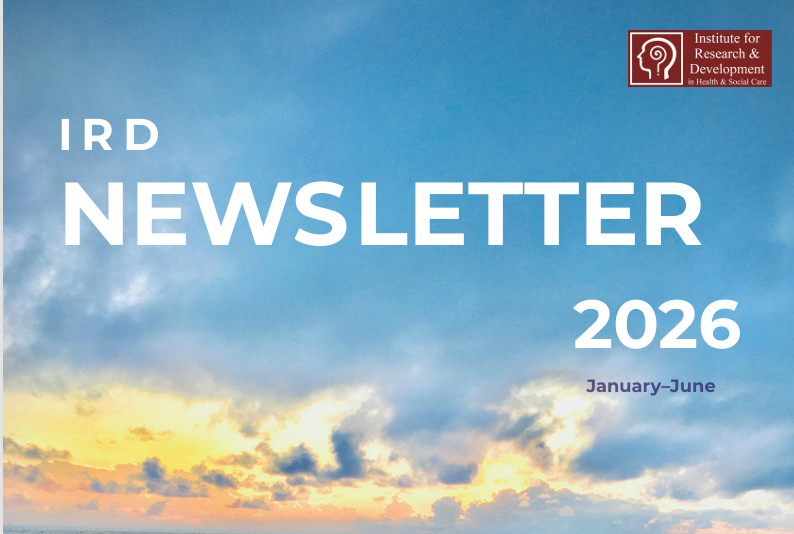
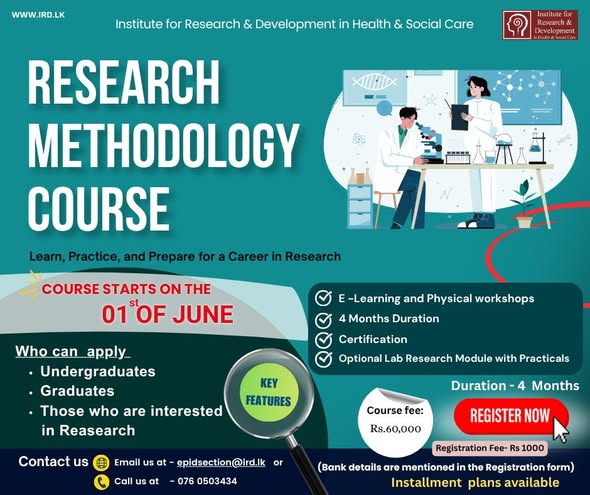
- Producing promotional materials such as brochures, newsletters, videos, and graphics to represent the institution’s mission and work.
- Knowledge Dissemination
- Publishing newsletters, blogs, and reports to showcase institutional achievements, ongoing projects, and future goals.
- Collaborating with researchers to create multimedia content (videos, infographics, podcasts) that highlights their work.
- Media Relations
- Building and maintaining relationships with local, national, and international media outlets.
- Organizing press conferences and facilitating interviews with researchers to promote important discoveries.
- Event Promotion
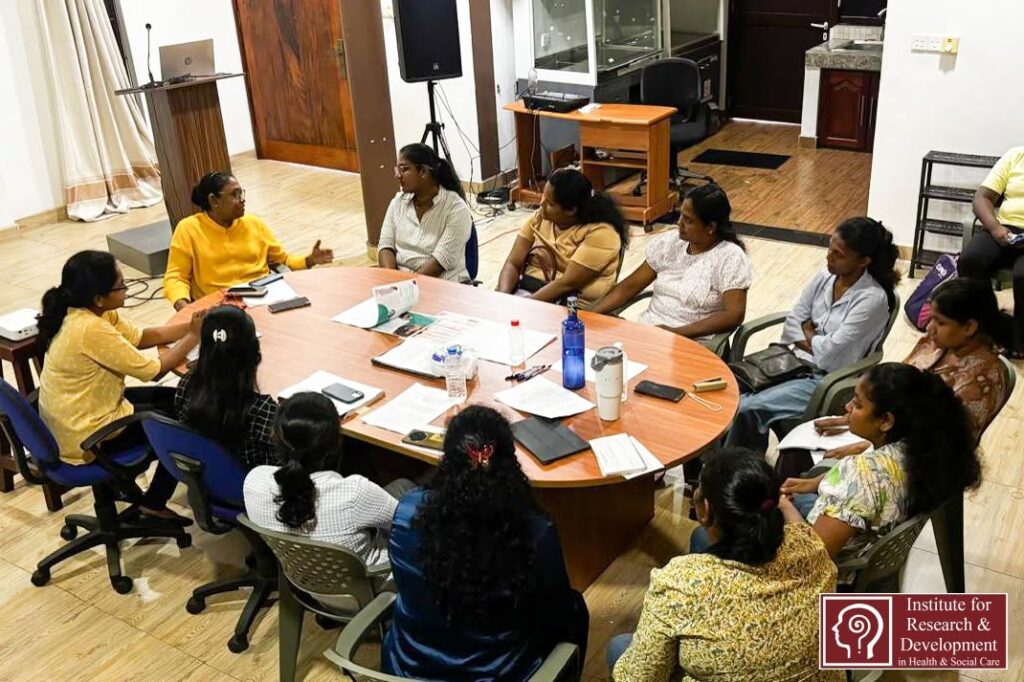
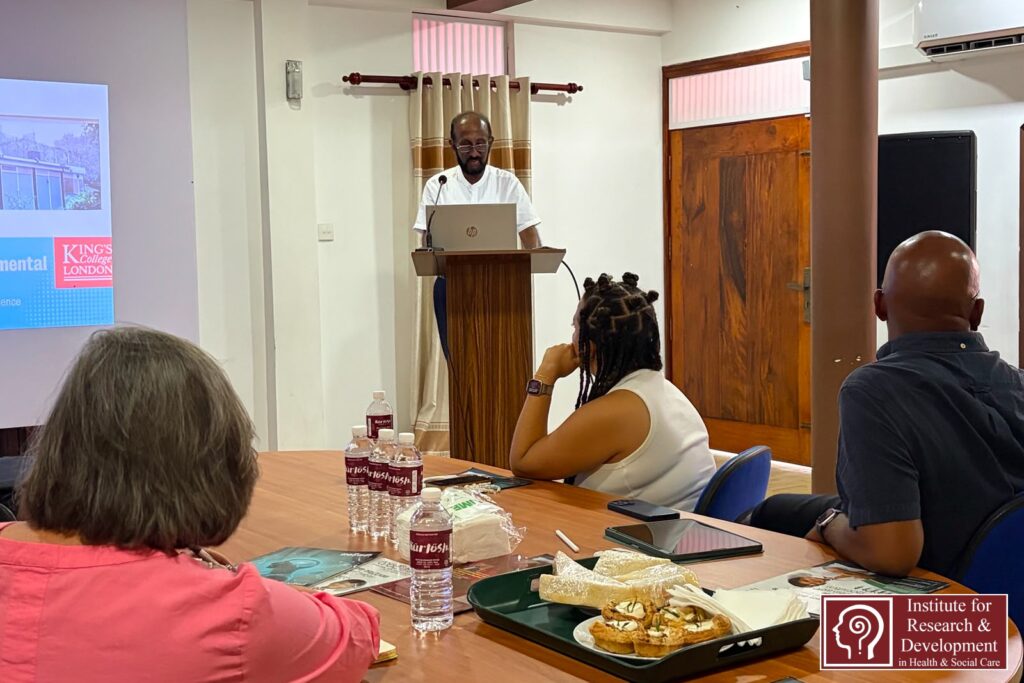
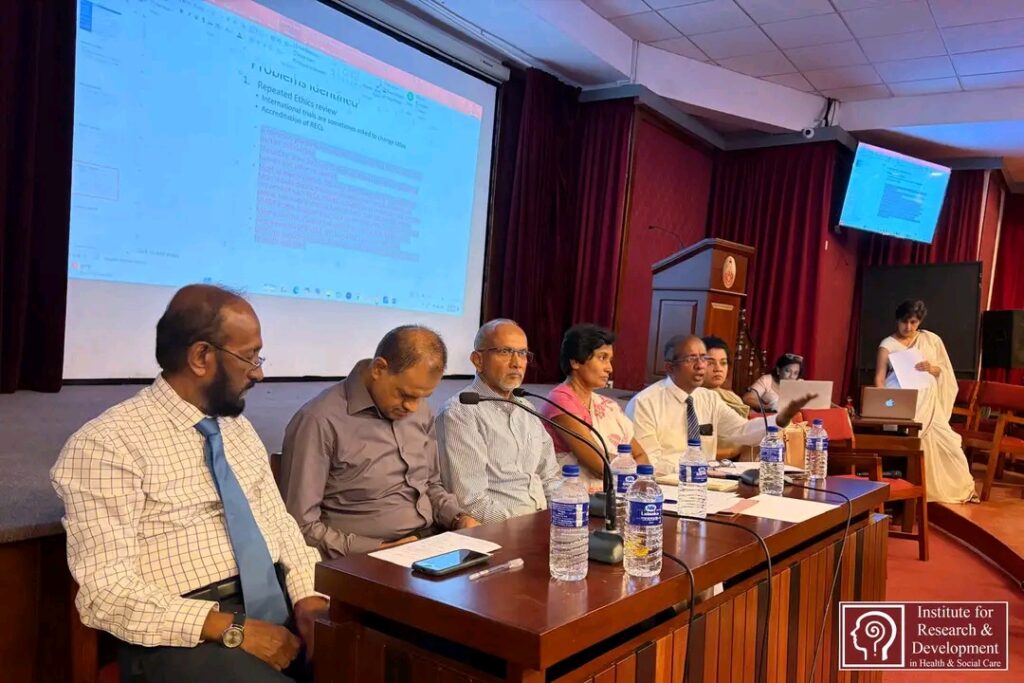
- Promoting conferences, workshops, symposiums, and public lectures hosted by the institution.
- Providing live coverage for events through streaming or real-time updates on social platforms.
- Internal Communication
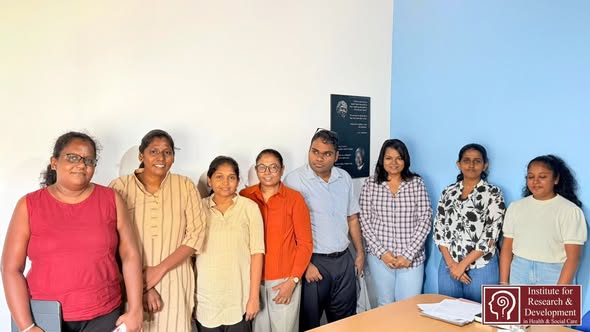
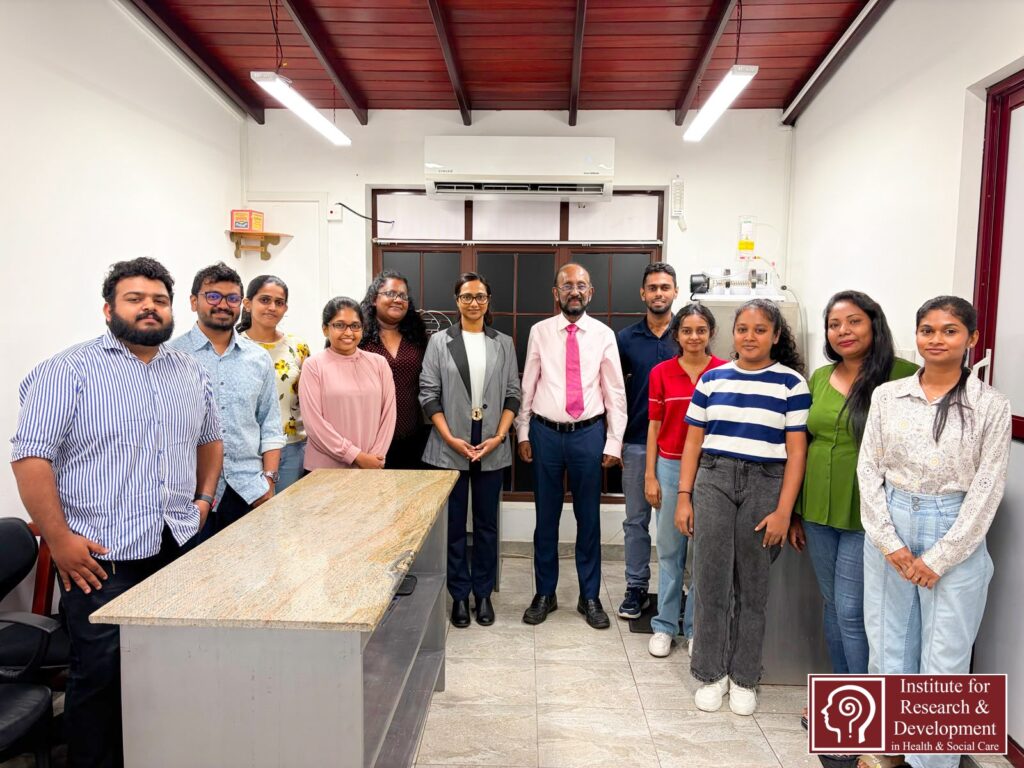
- Facilitating communication within the institution by sharing news, achievements, and announcements.
- Supporting collaboration between researchers by highlighting cross-disciplinary opportunities.
- Crisis Communication and Management
- Managing the institution’s communication during controversies, sensitive research, or emergencies, ensuring transparency while protecting the institution’s reputation.
- Policy Advocacy
- Engaging with policymakers by producing policy briefs, reports, and articles that emphasize the relevance of the institution’s research to societal challenges.
- Helping researchers present their findings in formats suitable for informing public policy.
- Training and Support
- Offering media training to researchers to improve their ability to communicate with journalists and the public effectively.
- Advising on ethical communication and the implications of sharing sensitive or controversial findings.
- Archiving and Documentation
- Maintaining an archive of media coverage, institutional milestones, and historical achievements for reference and legacy building.
The media unit thus ensures that the research institution’s work is not only recognized and celebrated but also contributes to societal progress by reaching relevant audiences.